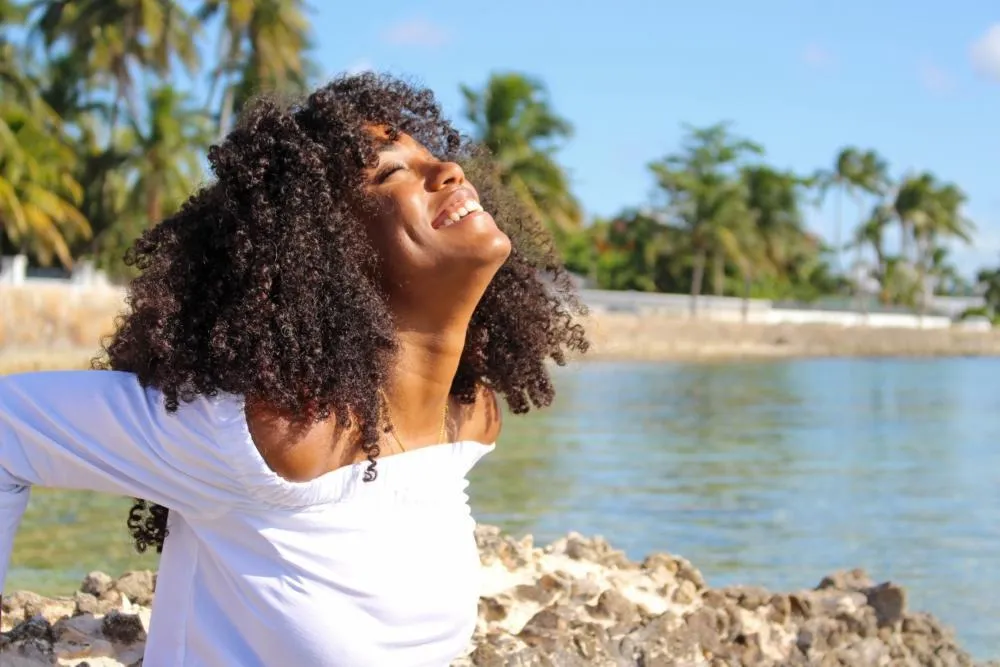
Picture arriving at your dream beach destination with beautifully defined curls, only to discover that the tropical humidity has other plans for your hairstyle. Between salty ocean breezes, afternoon swims, sightseeing adventures, and warm temperatures, keeping curly hair extensions looking fresh can become an unexpected vacation challenge. For Black women who love wearing textured extensions, finding the right hair before traveling makes a noticeable difference. Some curl patterns require frequent refreshing, while others may be easier to manage with a simple routine. The secret isn’t avoiding humidity altogether but choosing extensions that complement your natural hair, travel activities, and styling preferences. Whether you’re planning a Caribbean getaway, an African coastal retreat, or a tropical island adventure, this guide will help you select beautiful, manageable curls without spending your entire vacation in front of a mirror.
What to Look for When Choosing Curly Hair Extensions for a Beach Vacation
Natural hair comes in many beautiful textures, from loose curls to tightly coiled strands, and choosing extensions that complement those patterns can make vacation styling much easier. When shopping for the Best Curly Hair Extensions, consider more than how attractive the curls look in product photographs. Hair quality, texture compatibility, density, installation method, and maintenance requirements all influence how comfortably you can wear your extensions in humid weather.
Good-quality human hair extensions are often a practical option for travelers who want styling flexibility. Unlike many synthetic alternatives, human hair can generally be washed, conditioned, and restyled using suitable products. However, quality matters. Look for hair with consistent curl patterns, manageable shedding, and strands that separate easily without excessive tangling. Check customer reviews showing how the hair looks after washing, rather than relying entirely on professionally styled photographs.
Curl pattern is another important consideration. Loose curls may create a relaxed beach-inspired appearance, but they can require refreshing when exposed to moisture. Deep curls offer more visible definition, while kinky curly textures may blend more naturally with certain tightly curled hair types. Choosing a texture close to your natural hair can also reduce the need for frequent heat styling, particularly if you intend to leave some of your hair exposed.
The installation method should match your vacation activities. Curly clip-ins are convenient for travelers who want removable volume for dinners, photographs, and special outings. Sew-in bundles can provide a more secure option for extended wear when properly installed, while curly wigs offer styling versatility without requiring a permanent installation. However, wigs must fit comfortably and be appropriately secured for the planned activity.
Finally, think about length and density. Extra-long, full extensions may photograph beautifully, but they generally require more time to wash, detangle, and dry. Shoulder-length or medium-length curls can be a practical compromise for travelers who prefer a lighter hairstyle that is easier to maintain during outdoor adventures.
Which Curly Hair Textures Work Best in Humid and Tropical Destinations?
Humidity affects curly hair differently depending on the hair’s structure, condition, and styling products. Moisture in the atmosphere can contribute to frizz, changes in curl definition, and increased volume. For travelers with textured natural hair, selecting extensions that behave similarly to their own strands can make blending easier. Instead of searching for completely humidity-proof hair, focus on a curl pattern that remains attractive even when it becomes slightly fuller or less defined.
Burmese curly textures are worth exploring if you enjoy curls with noticeable body and a naturally textured appearance. When comparing the Best Burmese Curly Hair options, examine the curl shape, strand thickness, and how the bundles appear after washing. Depending on the specific product, Burmese curly hair may feature looser or more pronounced curls. Its suitability for a tropical vacation depends on the actual texture, hair quality, and how much maintenance you’re comfortable performing.
Deep curly hair is another attractive choice for beach vacations. Its defined curls create a full, dimensional appearance that works beautifully with sundresses, swimwear cover-ups, and evening outfits. However, maintaining separation between the curls is important. Using a suitable conditioner and detangling gently can help reduce knots, particularly around the nape where friction commonly occurs.
Kinky curly extensions can be especially appealing to women with naturally coily hair. These textures often provide a fuller appearance and may offer a closer match for certain 3C and type 4 curl patterns. Their tighter structure can also create substantial volume, although shrinkage and tangling may become more noticeable after exposure to water.
For humid destinations such as Bali, Jamaica, Zanzibar, or coastal Mexico, consider how much styling time you want to spend each morning. Loose curls may suit travelers seeking a relaxed, flowing hairstyle, while tighter textures may be preferable for those who enjoy natural-looking volume. Regardless of the curl pattern, testing the extensions before departure is the easiest way to understand their behavior when damp, freshly washed, or exposed to humidity.
Can You Swim With Curly Hair Extensions? Beach and Pool Care Tips
One of the biggest questions travelers have is whether they can enjoy swimming while wearing extensions. The answer depends largely on the installation method, hair quality, and attachment system. Swimming with certain properly installed sew-ins may be possible, but it requires careful attention afterward. Saltwater and chlorine can contribute to dryness, tangling, and product buildup, while moisture trapped beneath extensions can create scalp problems.
Removable clip-ins should generally be taken out before swimming. Water movement can cause them to loosen, and wet clips may create unnecessary tension on natural hair. Wigs also require caution. Unless the wig and its securing method are specifically appropriate for swimming, removing it beforehand is often the safer choice. Adhesives, tapes, and other attachment systems may respond differently to prolonged water exposure.
If swimming is a major part of your itinerary, discuss your installation with a stylist before traveling. A secure, comfortable sew-in with accessible scalp areas may be more practical than a complicated style that requires extensive maintenance. Whatever you choose, remember that your natural hair underneath needs attention too.
Try this simple DIY routine after swimming:
-
Before entering the water: Secure your hair in a loose braid or another comfortable style, provided your installation is suitable for swimming.
-
Rinse promptly: After leaving the ocean or pool, thoroughly rinse the extensions with clean freshwater to remove salt or chlorine.
-
Condition carefully: Apply a suitable moisturizing conditioner or detangling product, avoiding attachment areas where the product could interfere with the installation.
-
Detangle in sections: Work gently from the ends toward the roots using your fingers or a wide-tooth comb.
-
Dry thoroughly: Ensure the extensions, scalp, underlying braids, and attachment areas dry properly before sleeping or covering your hair.
A little after-swim care can prevent hours of detangling later. If your installation makes it difficult to clean or dry the natural hair underneath, reconsider whether it is suitable for frequent swimming.
How to Maintain Beautiful Curly Extensions in Humid Weather While Traveling
Vacation hair care should be simple enough to fit between breakfast, excursions, and evening plans. Rather than packing your entire collection of styling products, create a lightweight routine around cleansing, moisture, gentle detangling, and protection. The right products will depend on your extension texture, but a few essentials can make daily upkeep much easier.
Start your morning with a quick curl refresh. If your extensions respond well to water, lightly mist areas that need reshaping and use a small amount of water-based leave-in conditioner or curl-defining product. Avoid soaking the hair unnecessarily, especially if you have a sew-in that takes considerable time to dry. Scrunch or separate curls with your fingers instead of repeatedly brushing through them.
During outdoor activities, choose styles that minimize friction and keep hair away from your face. A loose ponytail, low bun, or comfortable braid can work well for sightseeing, hiking, or exploring local markets. Be mindful of backpack straps, hats, and shoulder bags that continually rub against the hair. In humid conditions, layering too many creams and oils may lead to buildup without improving definition.
Nighttime protection is equally important. Before bed, check for tangles around the nape and gently separate them when necessary. Secure completely dry hair in loose sections, then wear a satin bonnet or use a satin pillowcase to reduce friction. Never intentionally leave wet extensions or damp underlying braids covered overnight.
Keep a small vacation hair kit with these essentials:
-
Travel-size moisturizing conditioner
-
Wide-tooth comb for gentle detangling
-
Small spray bottle for curl refreshing
-
Lightweight leave-in conditioner or curl cream
-
Satin bonnet or scarf
-
Soft hair ties and sectioning clips
Common mistakes can make even beautiful extensions difficult to manage. One is purchasing an unfamiliar curl pattern immediately before traveling. Without testing it, you may discover too late that the texture needs more styling than expected. Another is choosing extremely long or dense bundles simply because they look impressive online, without considering drying time, humidity, or daily activities.
Also avoid assuming that every installation is suitable for swimming, using excessive heat to control frizz, or neglecting the scalp beneath wigs and sew-ins. Heavy styling products can create buildup, while aggressive detangling can increase breakage and shedding. For the best experience, wash and style new extensions before departure, confirm that the installation feels comfortable, and practice at least one easy vacation hairstyle.
Remember, your vacation hairstyle should support your plans rather than dictate them. Whether you’re spending the afternoon at a beach club or exploring a coastal town, choosing manageable curls and maintaining a simple routine can leave you with more time to enjoy the experience.
Final Thoughts: Enjoy Your Vacation Without the Hair Stress
Finding suitable curly extensions for a tropical getaway is about balancing appearance, comfort, texture, and maintenance. The longest or most expensive bundles aren’t automatically the most practical choice. Consider your natural hair, preferred curl definition, swimming plans, and how much time you’re willing to dedicate to styling. Test new extensions before traveling, pack a few reliable essentials, and prioritize proper drying after water activities. With thoughtful preparation, you can enjoy beach days, tropical excursions, cruises, and unforgettable vacation photographs while keeping your curls beautiful, comfortable, and manageable.