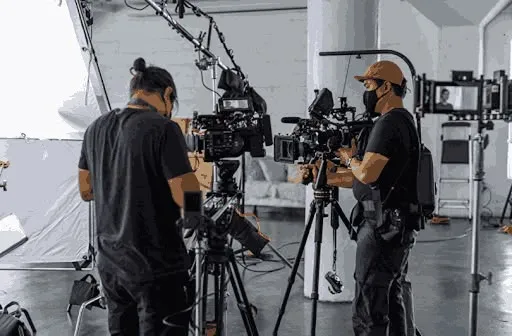
Some of the most compelling interviews happen in kitchens, workshops, offices, and apartments rather than purpose-built studios. These spaces feel personal, but they were rarely designed to hold cameras, lighting stands, microphones, and a full production crew. A room that looks generous in scouting photographs can become crowded once equipment arrives. Good preparation protects the atmosphere of the interview while keeping the participant comfortable and the production safe. Producers must also consider background noise, limited power outlets, and safe movement around equipment. A little restraint often produces better results than adding more gear.
Learn the Room Before Arrival
Request clear photographs of the room, nearby windows, entrances, and electrical outlets. Ask about elevator access, stairs, furniture that can be moved, and any building restrictions. These details help the crew decide whether a compact lighting package or smaller camera setup is necessary. A remote scout is useful, but it should not be treated as a complete substitute for checking access conditions.
Listen for noise sources too. Air conditioning, refrigerators, street traffic, and neighboring rooms can affect the recording. If a location is important for emotional reasons, find ways to make it workable rather than automatically replacing it with a studio.
Protect the Participant’s Space
A home or workplace is not simply a set. Explain how many people will attend, where equipment may be placed, and approximately how the session will proceed. Ask before moving personal items or displaying photographs and documents in the background. The participant should not discover halfway through filming that an entire room needs to be rearranged.
If the interview includes sensitive experiences, consider limiting attendance to essential personnel. A calm environment helps someone think and respond naturally. Production efficiency should never depend on treating a person’s space as though it belongs to the crew.
Build a Small but Reliable Setup
Often a single carefully placed camera, one backup audio path, and modest light control can tell the story effectively. A second camera may add flexibility, but only when there is room for useful angles without crowding the participant. Check sightlines so equipment does not force the speaker to look away from the interviewer unnaturally.
When searching video production services near me for an interview assignment in Seoul, assess teams on their ability to work discreetly. Ask about small-space lighting, noise control, power requirements, and how they organize equipment cases. A polished showreel tells only part of the story; practical discipline matters just as much.
Coordinate Building Access and Timing
Apartment buildings and office complexes may have delivery rules, security desks, quiet hours, or limitations on common-area filming. Confirm who can authorize access and whether the team needs to register equipment. Carrying cases through shared spaces should not surprise neighbors or interfere with normal building use.
Visiting producers may hire a fixer in South Korea to help with local scheduling, communication, and location coordination. That support can reduce confusion, particularly when the building contact and filming team do not share a first language. The crew should still verify any permissions required for the specific property.
Leave Time for the Human Conversation
Prepare the interviewer as carefully as the room. Questions that can be answered with a single word may leave editors searching for context. Encourage open prompts, patient follow-up, and enough silence for the participant to think. The interviewer should also avoid speaking over an answer, especially when the team may need a clean quotation. A considerate interview rhythm often improves both the recording and the person’s willingness to share meaningful detail. Before the conversation begins, agree on discreet signals for technical problems so the crew can respond without repeatedly breaking the participant’s concentration.
Conclusion
Small-space interviews reward preparation, simplicity, and consideration. Understanding access requirements, limiting unnecessary equipment, protecting privacy, and allowing time for genuine conversation can turn an ordinary room into a meaningful storytelling environment. These practices also reduce safety and technical risks for a crew working under pressure. Clear communication helps participants feel comfortable, while thoughtful camera placement and careful sound checks allow the crew to work without disrupting the space. Successful interview production is not measured by how much equipment fits into a room, but by how well the room supports the person whose story is being recorded.