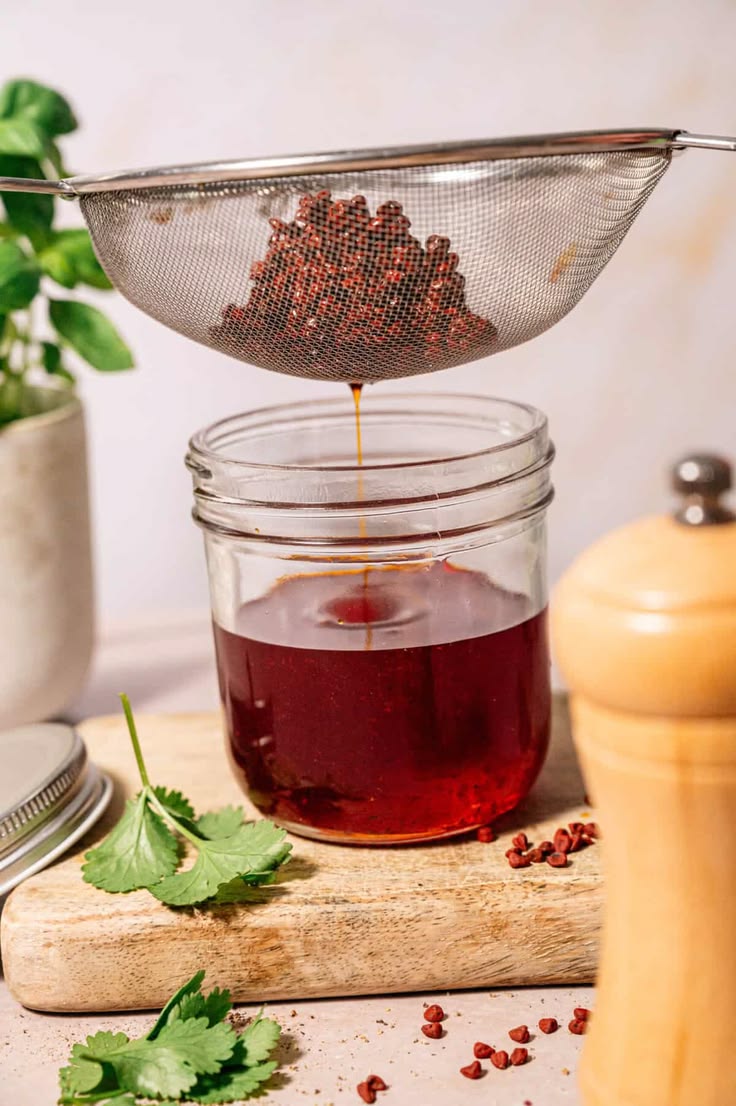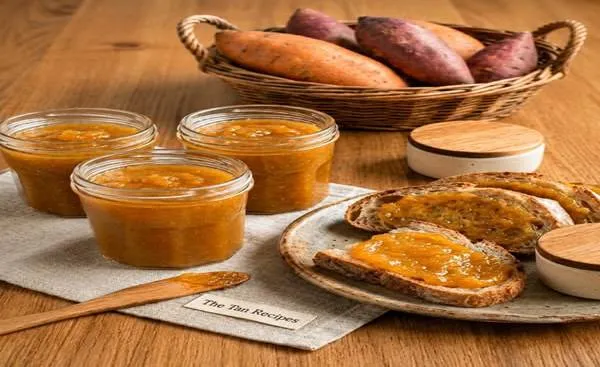
Heat is rough on red. A bright purple syrup goes in the kettle and comes out brownish. Ask any juice maker. Many turn to Sweet Potato Concentrate because purple varieties hold their shade better than most berry pigments. It comes from a root vegetable, and it handles a good deal of cooking before it gives up.
Still, no anthocyanin is heat proof. Time, temperature, and pH all matter. This article walks through common thermal methods in plain words. If you make drinks, sauces, or baked goods, a few simple rules can protect your color before it reaches the shelf.
How Heat Breaks Down Color
Anthocyanins are delicate molecules. Heat opens their ring structure and turns them into colorless forms, then brown ones. The higher the temperature, the faster this happens. Time adds to the damage, like a slow leak in a tire.
Not every pigment fails at the same speed. Acylated anthocyanins, common in purple sweet potato, stand up better because extra groups shield the core. That is why some roots outlast berries in a hot kettle. Check the source and ask for stability data.
Pasteurization and Color Loss
Pasteurization is the usual first test. Low temperature, long time methods hold about 63 Celsius for half an hour. High temperature, short time methods hit 72 degrees for just seconds. The short method usually keeps more color, since the pigment sees less heat in total.
Cool the product fast after heating. A warm tank is a hidden enemy. Use a chiller or plate cooler and check the temperature at the outlet. Take a sample before and after each run. A simple color reading shows exactly how much was lost.
Baking, Boiling, and Retort Effects
Boiling in water pulls pigment out of food and spreads it thin. Baking hits color with dry heat, and surfaces can darken fast. Retort sterilization, used for cans and pouches, is the harshest. Long, high heat can dull nearly any red or purple.
Match the pigment to the method. For a retort product, test several sources and pick the toughest. A cake that bakes for twenty minutes needs less protection than a soup held at 120 degrees. Small trials reveal these limits quickly and cheaply.
pH Changes How Heat Hurts
Acid protects. Anthocyanins are most stable near pH 3. As acidity falls, they break down faster under heat. A neutral sauce loses color much quicker than a tart juice with the same pigment.
Adjust pH before heating when your recipe allows it. A pinch of citric acid can help. Many buyers also look at red radish powder for its bright red tone, and it follows the same rule. Test it in your real base, not only in water.
Smart Ways to Protect Pigment
Cut the time first. Shorter heat beats lower heat in most cases. Add color late in the process, after the hottest step, when possible. Fill containers hot but cool them quickly.
Oxygen worsens the loss, so reduce air in tanks and bottles. Some makers add ascorbic acid, though it can hurt anthocyanins in certain drinks, so test it. Co-pigments like rosemary extract or certain phenolics can also help. Keep notes on each trial and compare results side by side.
Testing Stability in Your Plant
Do not trust a spec sheet alone. Run your own heat trials with your own recipe. Measure color before heating, right after, and after a week of storage. A colorimeter gives numbers, and photos taken under one lamp add a second check.
Track pH and brix with each trial, since both change the outcome. Repeat each test twice to avoid a fluke. When a result looks too good, repeat it a third time. Real production is messier than the lab, and your records should show that.
Conclusion
Heat, time, pH, and oxygen all shape how well anthocyanins survive. Short, gentle processing keeps the most color, acid helps, and the right source matters. Sweet potato and radish pigments each bring strengths, so test both in your own recipe.
For more color sourcing tips and ingredient guides, visit foodrgb.com and browse the resources. Start with one process, change one variable, and write down what you see. A notebook full of honest results will guide every future batch.